
World around us. The solutions to human challenges rely heavily on manufacturing. Developing the right materials enables faster and more efficient production. 2D Polymer Batteries aims to address the pressing issues of modern battery technology.
Energy Storage
The Nobel Prize for conducting polymers was awarded in 2000, and for graphene, ten years later. Our company was born from a simple question: What if we could use these breakthrough materials in a battery? What if we could change their function by combining them into a composite? What if we could achieve greater energy storage capacity, solve issues with critical metals, and address cost, environmental, and geopolitical challenges?
2D Polymer Batteries was founded in 2023 to push the boundaries of conducting polymer and graphene-based technology, aiming to deliver practical batteries with high energy, high power, sustainability, safety, long life, and low cost.

High energy
High energy is provided by the high capacity and high average redox potential of a conducting polymer-based composite cathode material

High-power
High power is based on the intrinsic conductivity of a conducting polymer

Sustainability
Organic polymer-based cathode material ensures a reality of sustainability

Safety
Safety is one of the advantages of the invented conducting polymer technology

Long-life
Efficient energy storage is due to an unprecedented cathode chemistry

Low-Cost
Advanced battery technology proposes a price as a great bonus
Conducting Polymer Technology from 2D Polymer Batteries
2D Polymer Batteries has developed an innovative technology for organic cathode materials in metal-ion batteries, surpassing all current inorganic, transition metal-based alternatives.
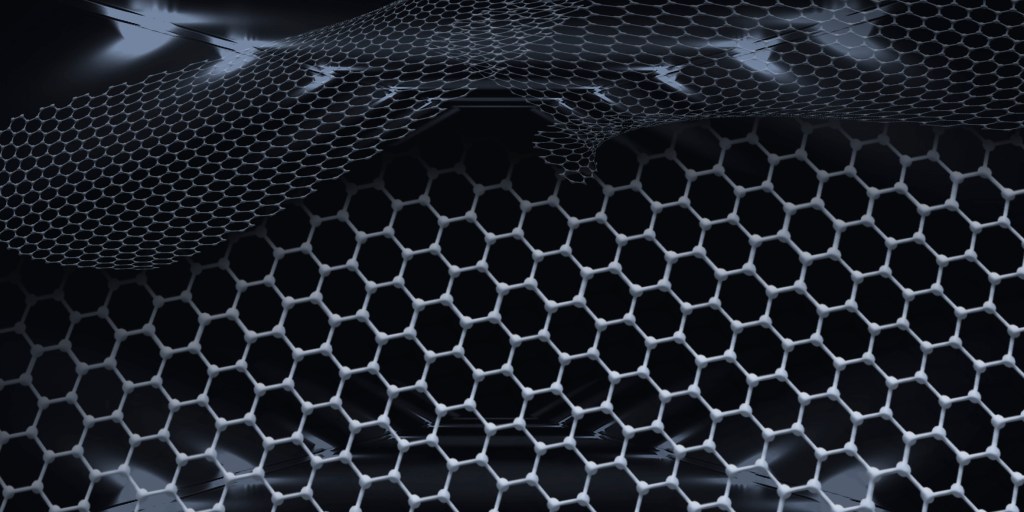
The breakthrough lies in the unique interaction between macromolecules of a conducting conjugated polymer and graphene sheets, introducing a novel redox activity mechanism. This advancement enables the creation of high-energy, rocking-chair-type, organic-based metal-ion batteries for the first time.
Using these organic cathode materials paves the way for sustainable, eco-friendly, and cost-effective production of advanced metal-ion batteries.
 2D POLYMER BATTERIES