
Technology
Conducting Polymer Technology from 2D Polymer Batteries
Why Focus on Cathode Materials?
The cathode material plays a crucial role in determining the performance of lithium-ion batteries (LIBs), influencing factors like energy density, power output, lifespan, and safety. In a typical LIB, the electrodes account for 40-50% of the battery’s total weight, with the cathode alone making up about 20-25%. Additionally, the cathode represents 30-50% of the overall battery cost, making it the heaviest and most expensive component. For this reason, 2D Polymer Battery is dedicated to developing innovative cathode materials to improve battery performance and reduce costs.
Why Consider Organic Cathode Materials?
Current commercial LIBs rely on two main types of cathode materials: metal oxides (like LiCoO2, NCM, and NCA) and polyanionic compounds such as LiFePO4 (LFP). While metal oxides can achieve a higher charge density (around 200 mAh/g), they come with significant drawbacks, including harmful reactions that reduce battery lifespan and raise costs. These issues include electrolyte oxidation, metal dissolution, structural damage, and gas evolution.
In contrast, organic cathode materials avoid these issues entirely because they contain no transition metals. This makes them a safer, more sustainable option for battery technology.
Can Organic Cathode Materials Compete with Current Options?
Although various organic compounds (such as carbonyl, imine, azo, and organosulfur compounds) could potentially serve as cathode materials, they often face challenges like high solubility in electrolytes, low conductivity, limited charge capacity, or insufficient voltage. These limitations have prevented them from becoming practical alternatives to conventional cathode materials, especially for standard LIBs.
What Makes 2D Polymer Battery’s Technology Unique?
1. Advanced Performance: Our newly developed cathode material offers nearly double the energy storage capacity of LFP and appr. 1.5 greater than NCM, significantly enhancing battery performance.
2. Cost Efficiency: The cost of our advanced cathode material is approximately 1.5 times lower than that of LFP, making it a more affordable solution for high-performance batteries.
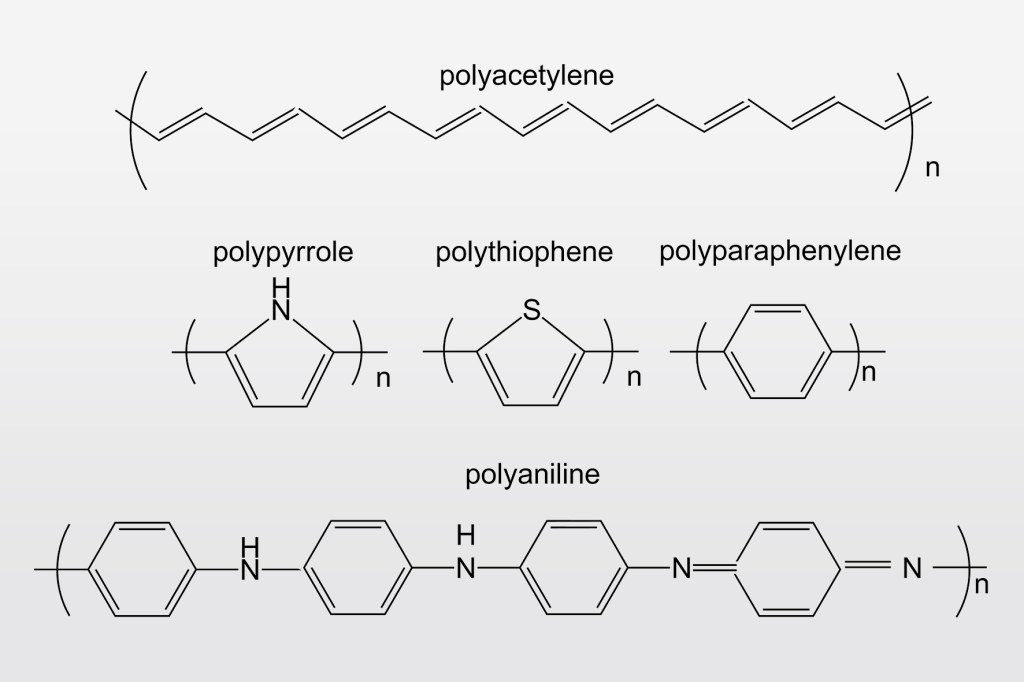
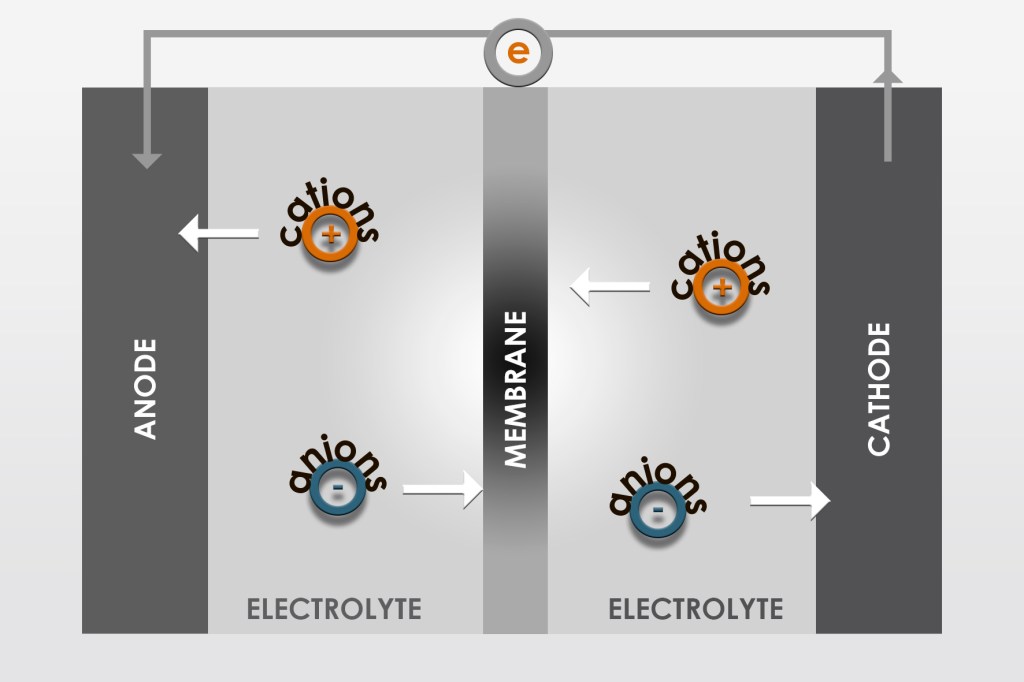
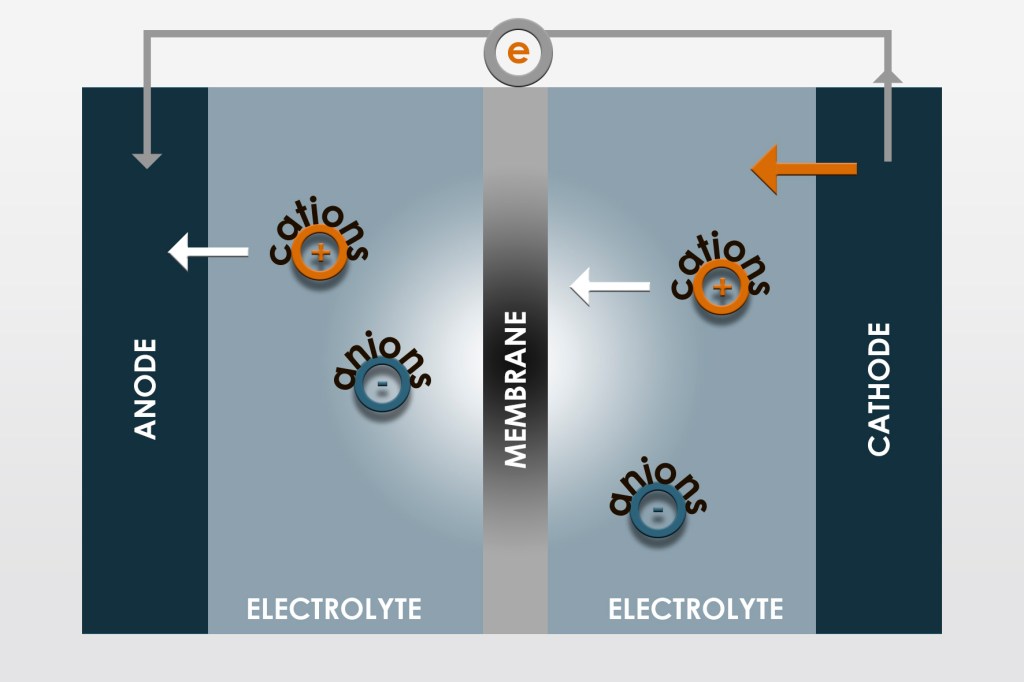
3. Innovative Rocking Chair Design: 2D Polymer Battery has developed a unique rocking chair-type mechanism for LIBs with a conductive conjugated polymer-based cathode. It is so, because it was previously well known that for conducting polymers (Figure 1), in contrast to traditional LIBs, in which only cations move between the electrodes (Figure 2), the double-ion approach (Figure 3) with traditionally reduced battery efficiency due to the large amount of electrolyte is the only possible one.


 2D POLYMER BATTERIES